
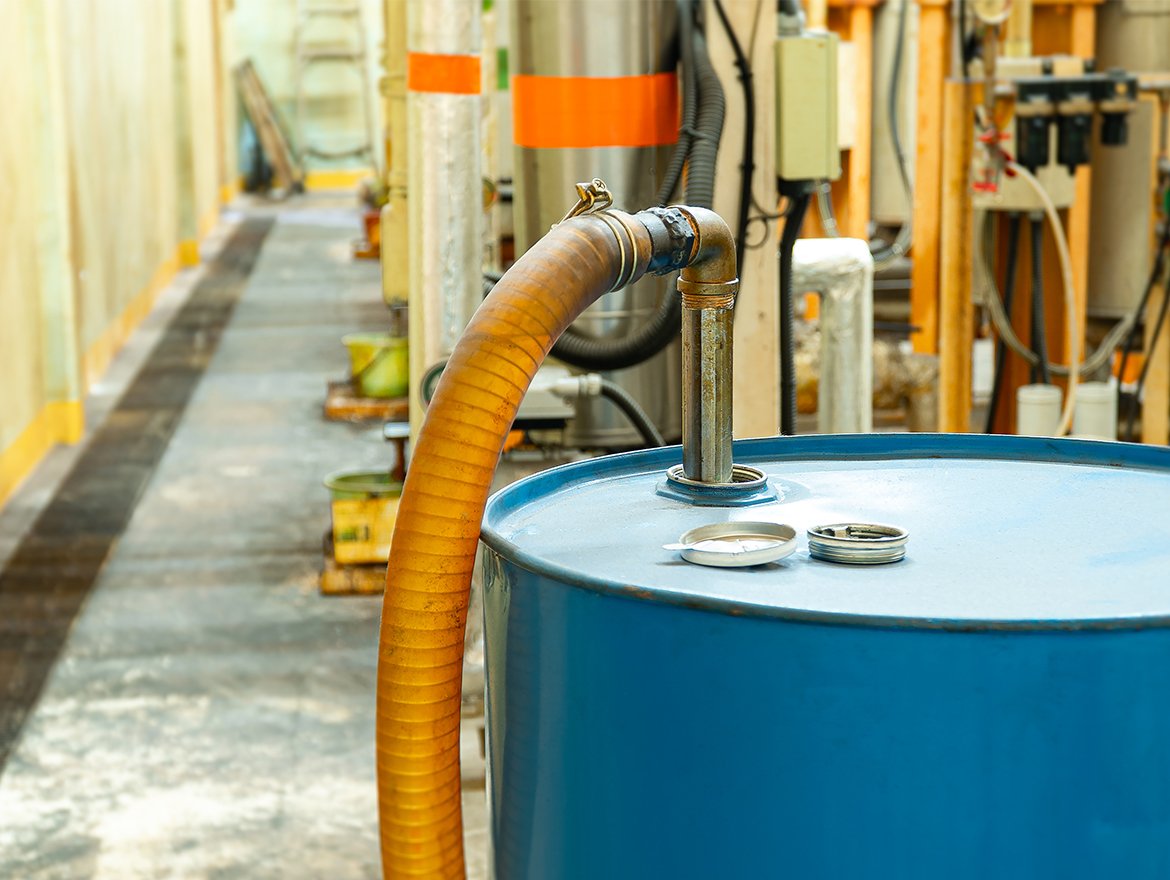
 /*! elementor - v3.10.1 - 17-01-2023 */ .elementor-widget-image{text-align:center}.elementor-widget-image a{display:inline-block}.elementor-widget-image a img[src$=".svg"]{width:48px}.elementor-widget-image img{vertical-align:middle;display:inline-block} The regulations applicable to the unloading of chemical products, as recommended by Inéris, are much stricter than those for storage, because transport and transfer increase the risk of accidents. Before transferring hazardous, corrosive, aggressive, explosive or flammable products, etc., take the time to find out about the rules to be observed. The employees selected for this mission must be trained in all the regulations to be followed. In this way, they can guarantee the safety of people and transfer and storage equipment. Stockage & Systèmes informs you about the importance of Inéris recommendations for chemical product disposal. /*! elementor - v3.10.1 - 17-01-2023 */ .elementor-column .elementor-spacer-inner{height:var(--spacer-size)}.e-con{--container-widget-width:100%}.e-con-inner>.elementor-widget-spacer,.e-con>.elementor-widget-spacer{width:var(--container-widget-width,var(--spacer-size));--align-self:var(--container-widget-align-self,initial);--flex-shrink:0}.e-con-inner>.elementor-widget-spacer>.elementor-widget-container,.e-con-inner>.elementor-widget-spacer>.elementor-widget-container>.elementor-spacer,.e-con>.elementor-widget-spacer>.elementor-widget-container,.e-con>.elementor-widget-spacer>.elementor-widget-container>.elementor-spacer{height:100%}.e-con-inner>.elementor-widget-spacer>.elementor-widget-container>.elementor-spacer>.elementor-spacer-inner,.e-con>.elementor-widget-spacer>.elementor-widget-container>.elementor-spacer>.elementor-spacer-inner{height:var(--container-widget-height,var(--spacer-size))} /*! elementor - v3.10.1 - 17-01-2023 */ .elementor-heading-title{padding:0;margin:0;line-height:1}.elementor-widget-heading .elementor-heading-title[class*=elementor-size-]>a{color:inherit;font-size:inherit;line-height:inherit}.elementor-widget-heading .elementor-heading-title.elementor-size-small{font-size:15px}.elementor-widget-heading .elementor-heading-title.elementor-size-medium{font-size:19px}.elementor-widget-heading .elementor-heading-title.elementor-size-large{font-size:29px}.elementor-widget-heading .elementor-heading-title.elementor-size-xl{font-size:39px}.elementor-widget-heading .elementor-heading-title.elementor-size-xxl{font-size:59px} Chemical dumping regulations: labels for greater safety Chemicals are often dangerous substances that can cause injury, irritation, burns and poisoning. In the event of fire or explosion, your equipment may be partially or completely destroyed. Here are a few rules to follow to ensure your safety, whether storing or unloading chemicals. 1- Labels and cards for easy product identification Technicians in charge of managing and handling chemical products must always be aware of the precautions to be taken and the chemical risks ass
For chemical dumping, how to comply with the recommendations and guidelines of Inéris (Institut national de l'environnement industriel et des risques)
04/12/2022
Stockage & Systèmes 2 min de lecture
/*! elementor - v3.10.1 - 17-01-2023 */ .elementor-widget-image{text-align:center}.elementor-widget-image a{display:inline-block}.elementor-widget-image a img[src$=".svg"]{width:48px}.elementor-widget-image img{vertical-align:middle;display:inline-block} The regulations applicable to the unloading of chemical products, as recommended by Inéris, are much stricter than those for storage, because transport and transfer increase the risk of accidents. Before transferring hazardous, corrosive, aggressive, explosive or flammable products, etc., take the time to find out about the rules to be observed. The employees selected for this mission must be trained in all the regulations to be followed. In this way, they can guarantee the safety of people and transfer and storage equipment. Stockage & Systèmes informs you about the importance of Inéris recommendations for chemical product disposal. /*! elementor - v3.10.1 - 17-01-2023 */ .elementor-column .elementor-spacer-inner{height:var(--spacer-size)}.e-con{--container-widget-width:100%}.e-con-inner>.elementor-widget-spacer,.e-con>.elementor-widget-spacer{width:var(--container-widget-width,var(--spacer-size));--align-self:var(--container-widget-align-self,initial);--flex-shrink:0}.e-con-inner>.elementor-widget-spacer>.elementor-widget-container,.e-con-inner>.elementor-widget-spacer>.elementor-widget-container>.elementor-spacer,.e-con>.elementor-widget-spacer>.elementor-widget-container,.e-con>.elementor-widget-spacer>.elementor-widget-container>.elementor-spacer{height:100%}.e-con-inner>.elementor-widget-spacer>.elementor-widget-container>.elementor-spacer>.elementor-spacer-inner,.e-con>.elementor-widget-spacer>.elementor-widget-container>.elementor-spacer>.elementor-spacer-inner{height:var(--container-widget-height,var(--spacer-size))} /*! elementor - v3.10.1 - 17-01-2023 */ .elementor-heading-title{padding:0;margin:0;line-height:1}.elementor-widget-heading .elementor-heading-title[class*=elementor-size-]>a{color:inherit;font-size:inherit;line-height:inherit}.elementor-widget-heading .elementor-heading-title.elementor-size-small{font-size:15px}.elementor-widget-heading .elementor-heading-title.elementor-size-medium{font-size:19px}.elementor-widget-heading .elementor-heading-title.elementor-size-large{font-size:29px}.elementor-widget-heading .elementor-heading-title.elementor-size-xl{font-size:39px}.elementor-widget-heading .elementor-heading-title.elementor-size-xxl{font-size:59px} Chemical dumping regulations: labels for greater safety Chemicals are often dangerous substances that can cause injury, irritation, burns and poisoning. In the event of fire or explosion, your equipment may be partially or completely destroyed. Here are a few rules to follow to ensure your safety, whether storing or unloading chemicals. 1- Labels and cards for easy product identification Technicians in charge of managing and handling chemical products must always be aware of the precautions to be taken and the chemical risks ass